

- Address:8801 – 95 Street Morinville AB T8R 1K6
- Phone:(780) 460-5440
- Toll-free Phone:1-877-460-5440
- Email:info@camtrac.ca
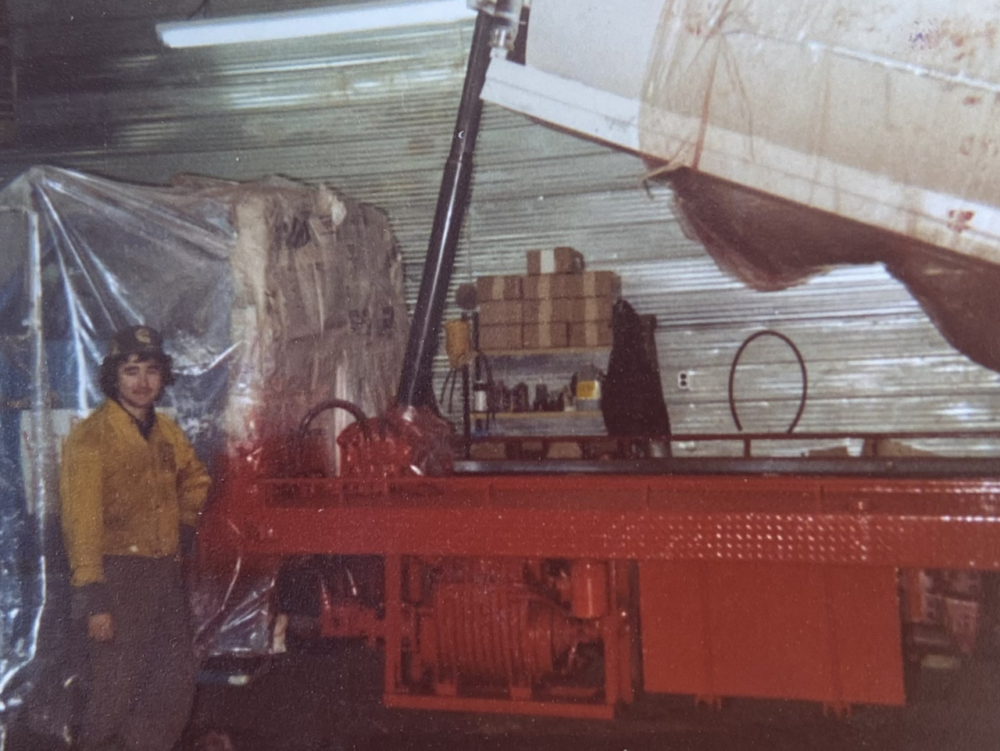
1981
Mark Maurier works under his father at Rene’s Vacuum as a labourer, gaining hands-on operational experience.
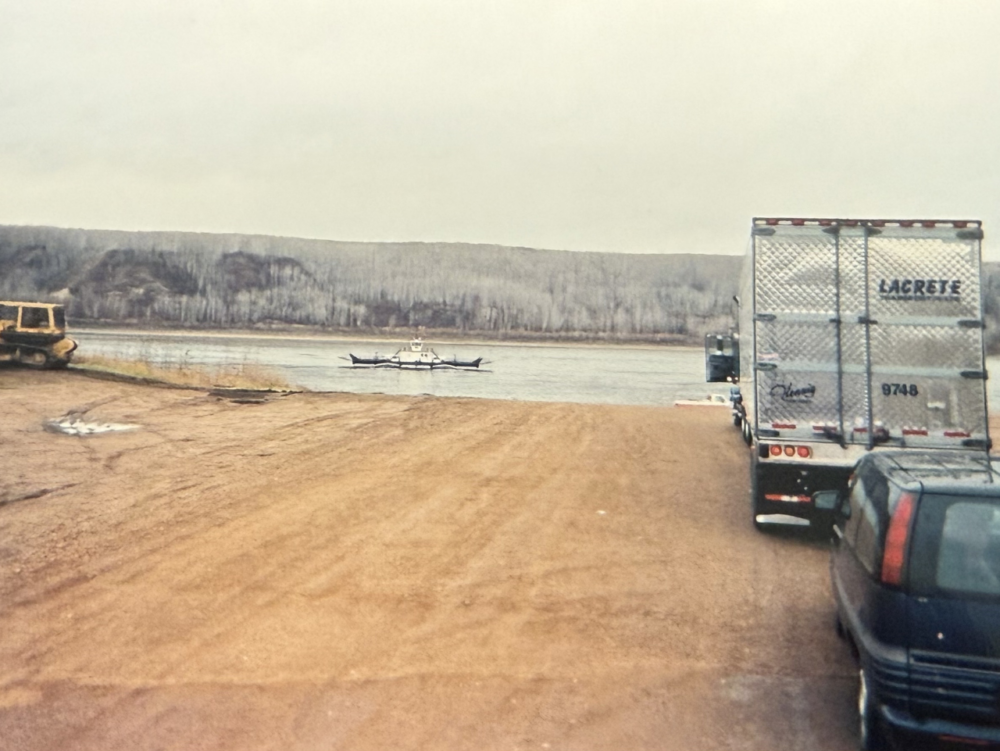
1984
Rene’s Vacuum completes early remote sewer flushing work via barge access in Fort Chipewyan, laying groundwork for remote field capability.
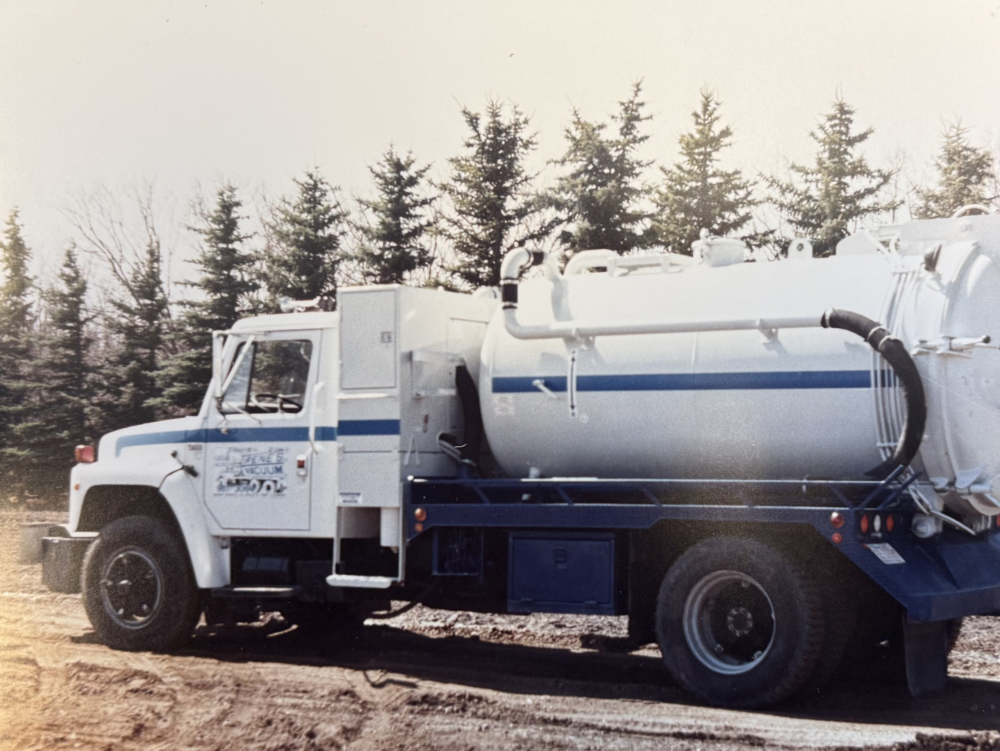
1989
Mark Maurier purchases his first single axle vacuum truck to support operations at Rene’s Vacuum.
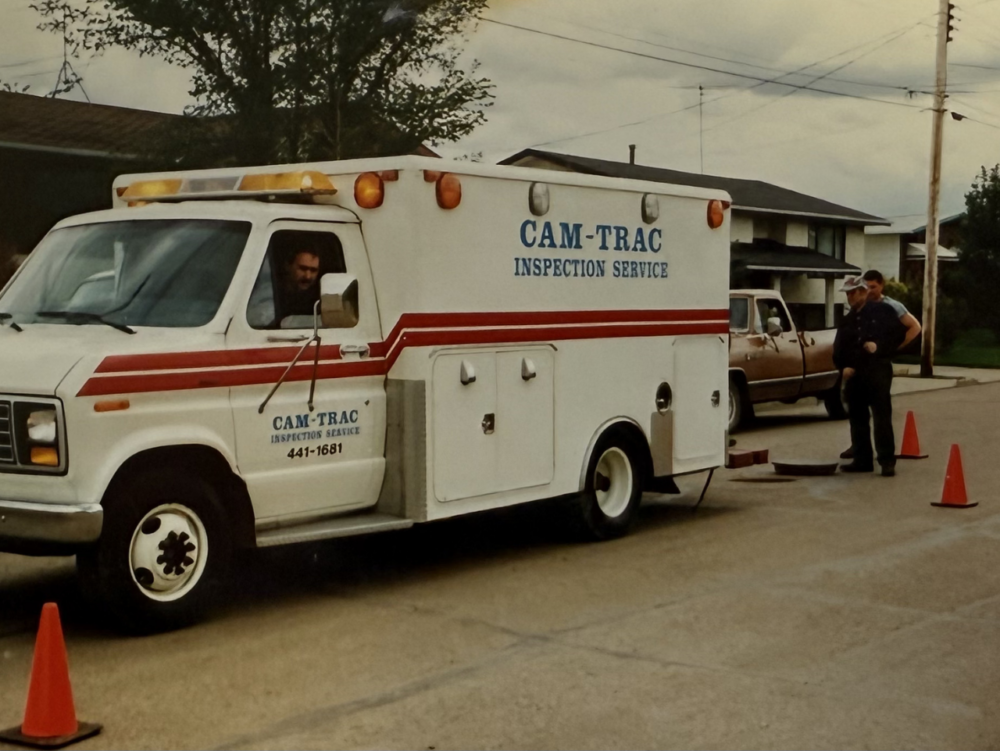
1992
Cam-Trac is incorporated and Mark begins operating independently. A City of Edmonton ambulance is converted into a camera inspection unit, launching inspection services.

1993
A custom in-truck reporting system is developed with the help of U of A students, using Amiga video chip technology to generate digital field reports, replacing handwritten reports and typewriter-based transcription.
1994
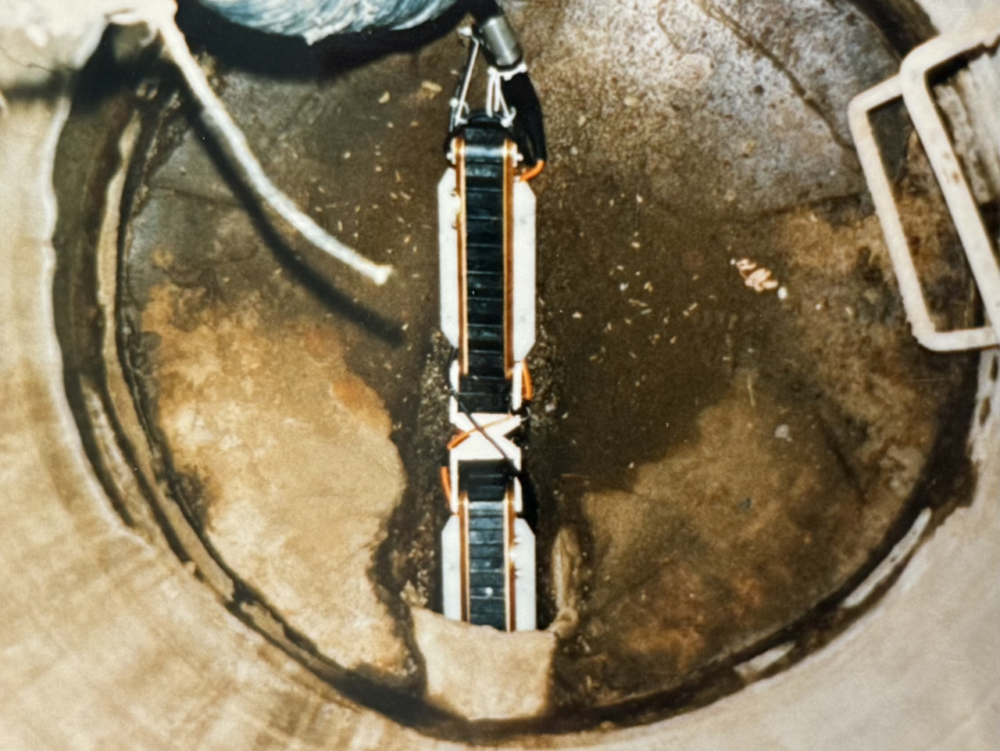
Crawler camera systems are introduced, eliminating rope-pulled inspections and enabling fully motorized sewer inspections.
1995
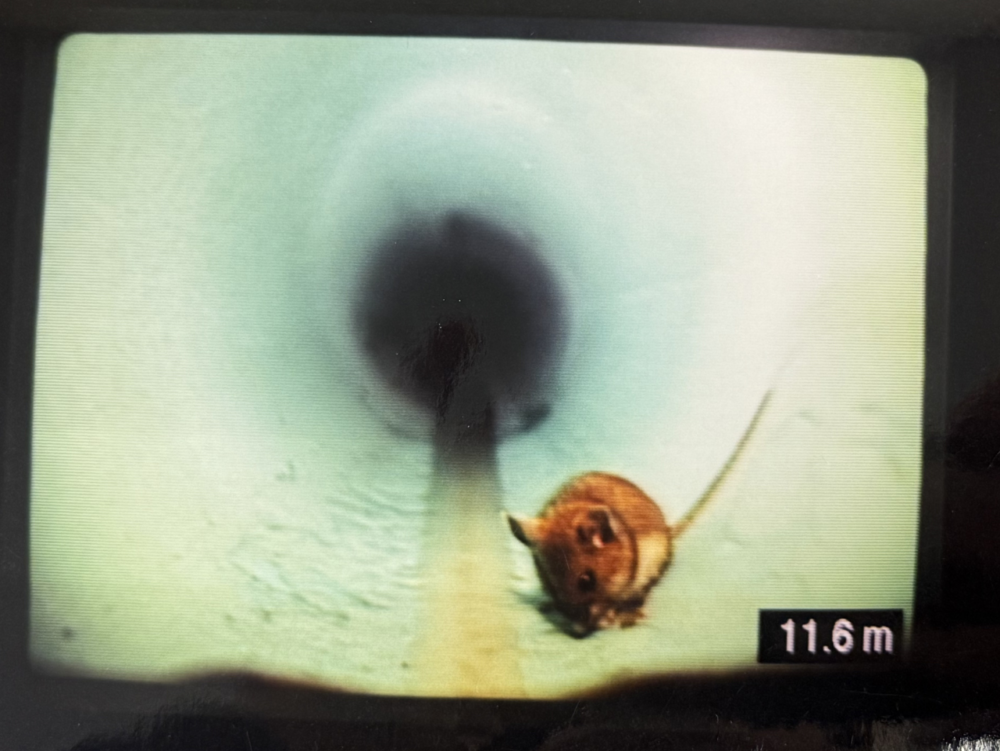
Inspection recording shifts from VHS to CD-ROM, improving data storage and retrieval.
2001
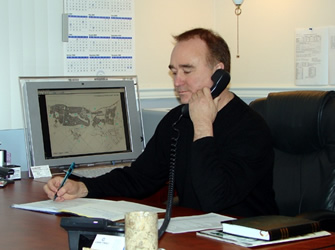
Cam-Trac establishes its first formal office and shop operations in Legal to support growing field work.
2005
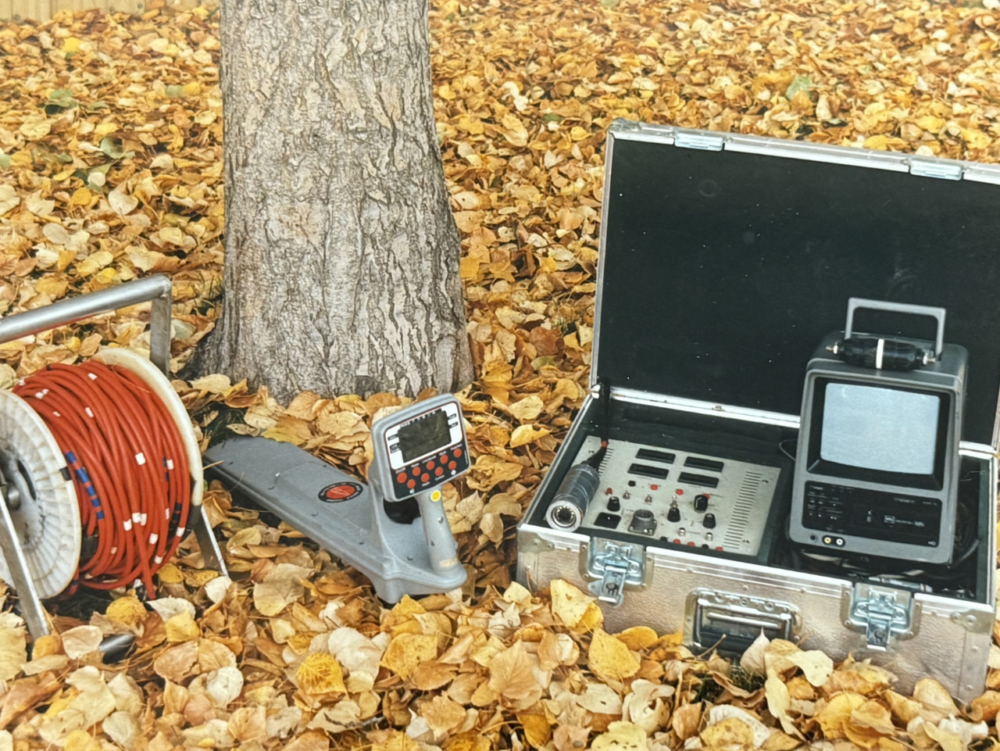
Push camera and line locating systems are introduced, expanding inspection capabilities.
2011
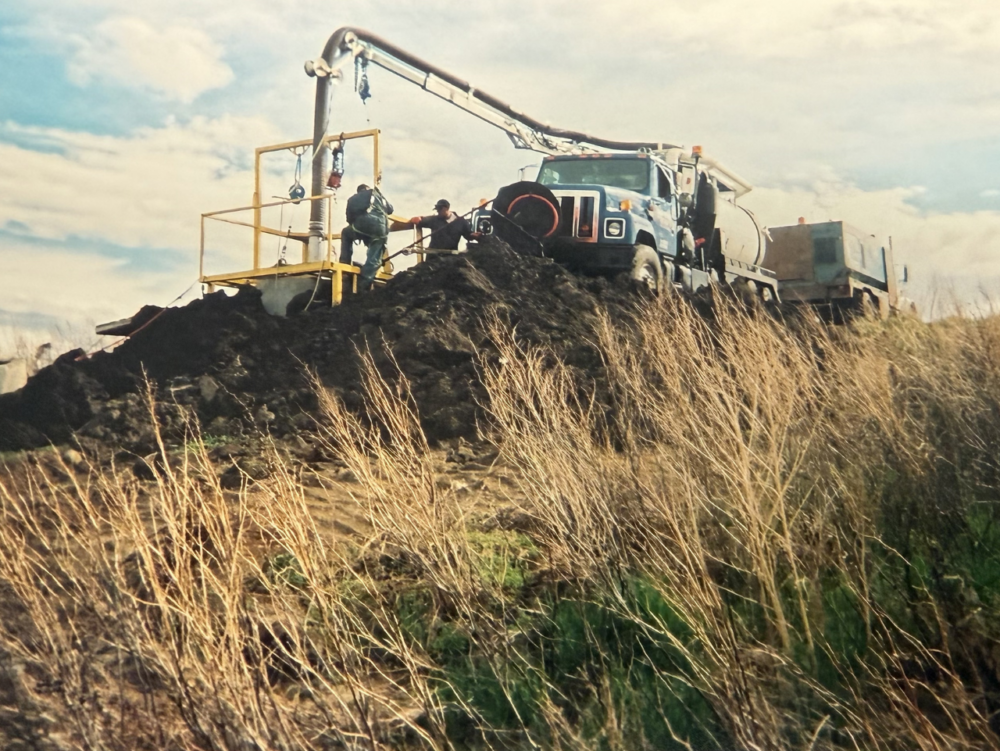
The fleet expands to include multiple combination and straight-flush sewer trucks.
2012
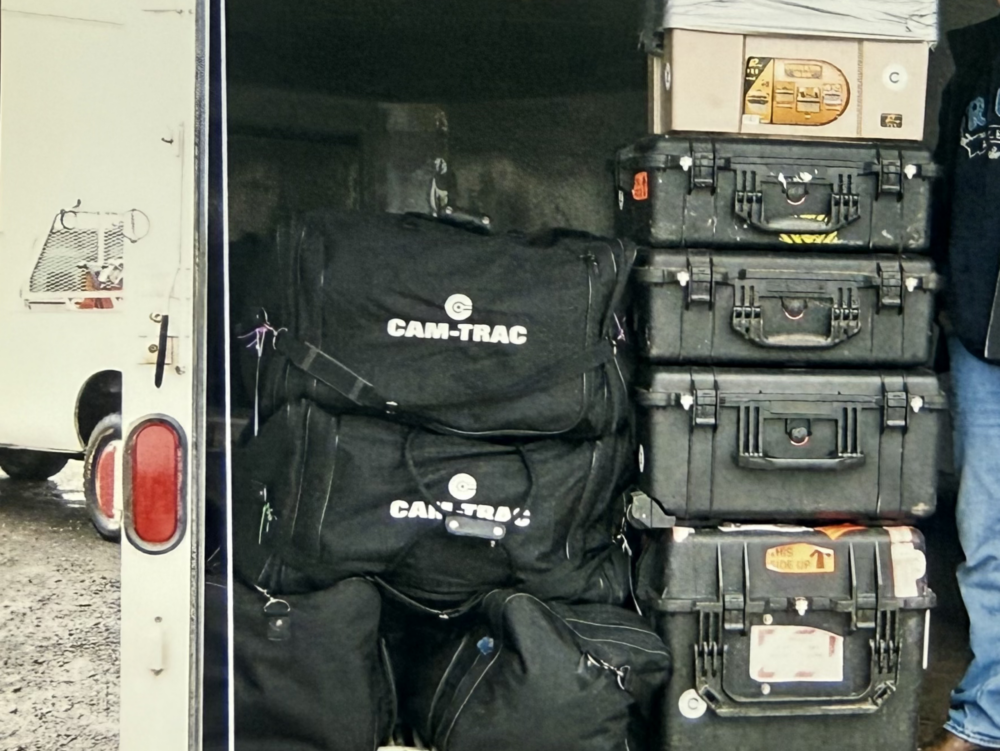
Remote inspection jobs are completed in areas such as Norman Wells, NWT, which included flying inspection crews and equipment into site locations.
2015
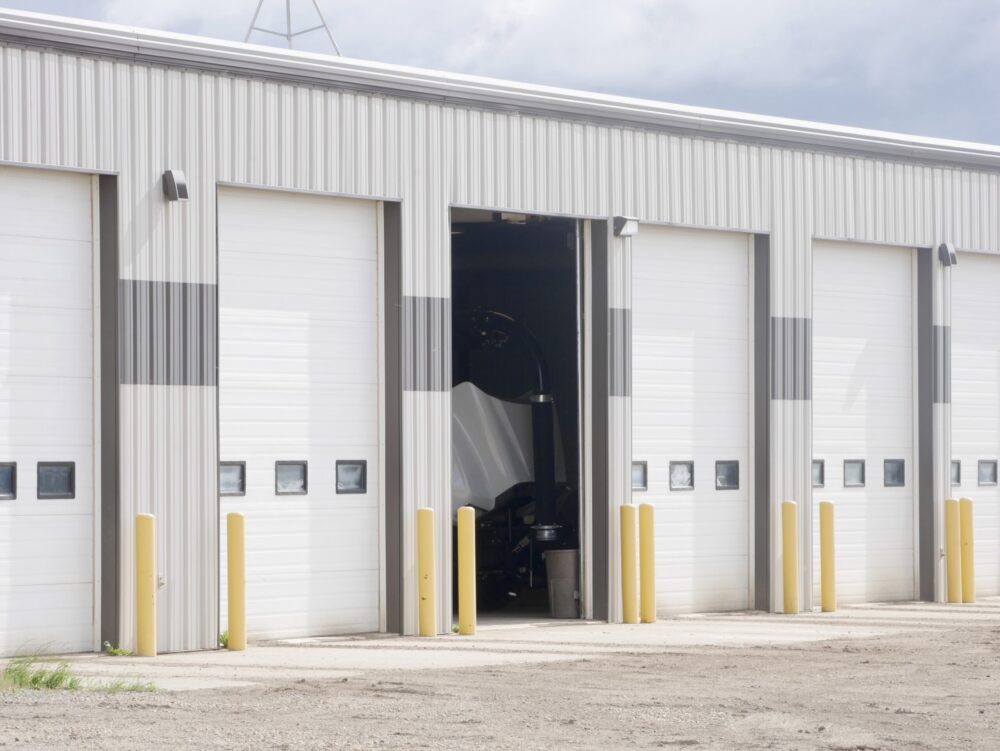
A new shop and operational facility is constructed in Morinville to support expanded fleet and operations.
2021
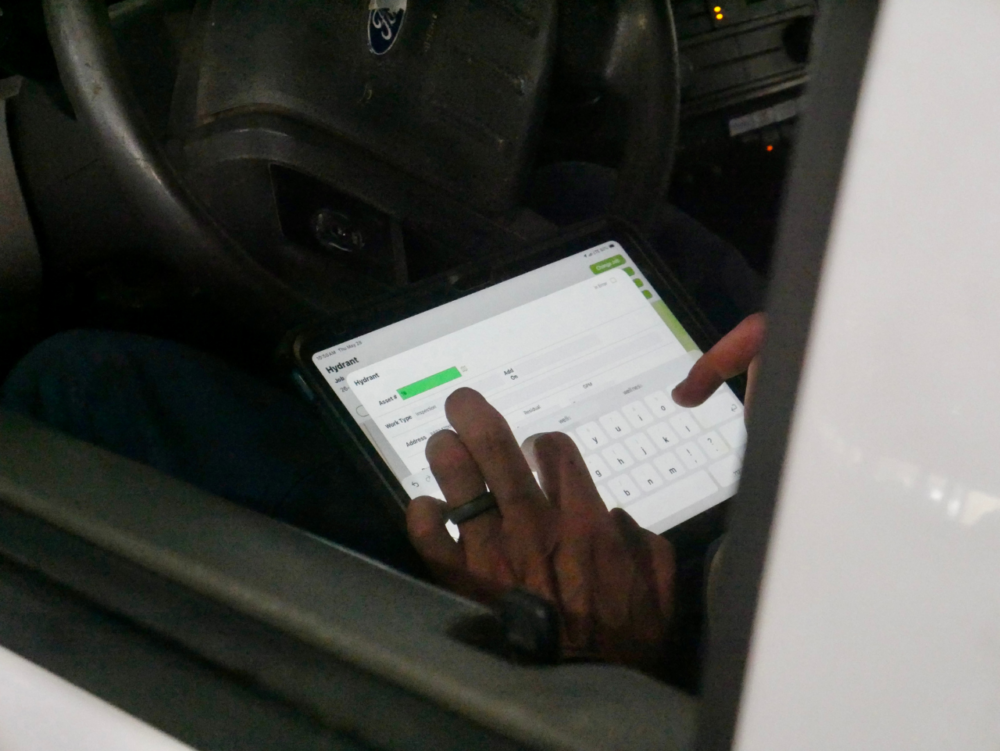
The first software iteration of MARS™ is officially launched, providing centralized access to mapping, reports, and project data for clients.
2022
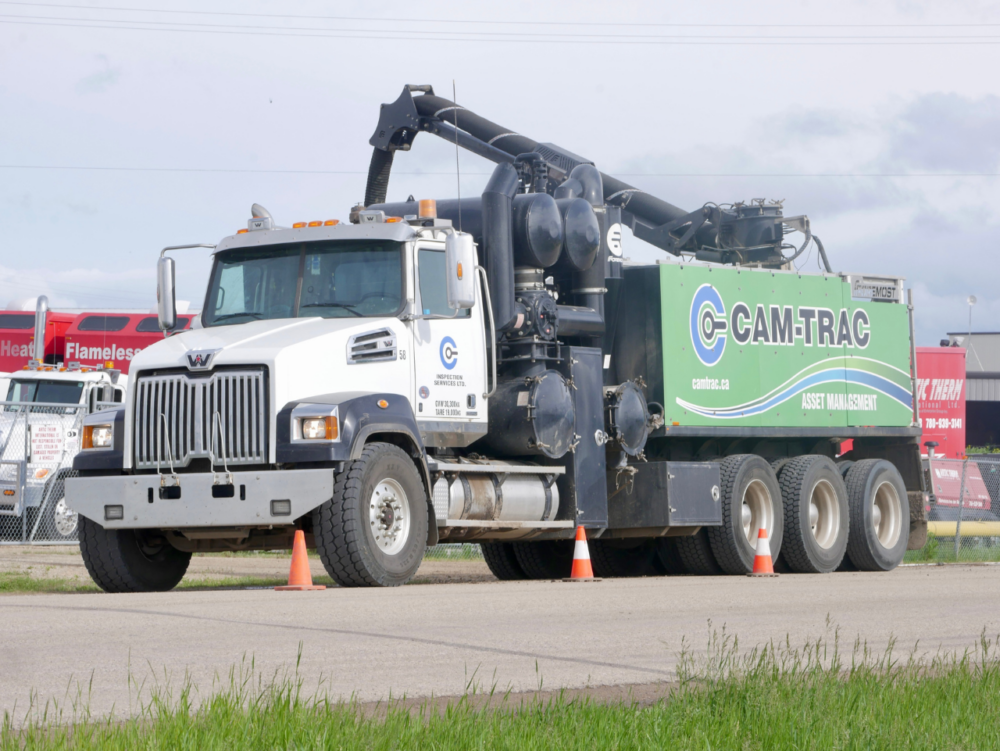
Hydrovac trucks are introduced into the fleet, expanding operational capabilities and service offerings.
2023
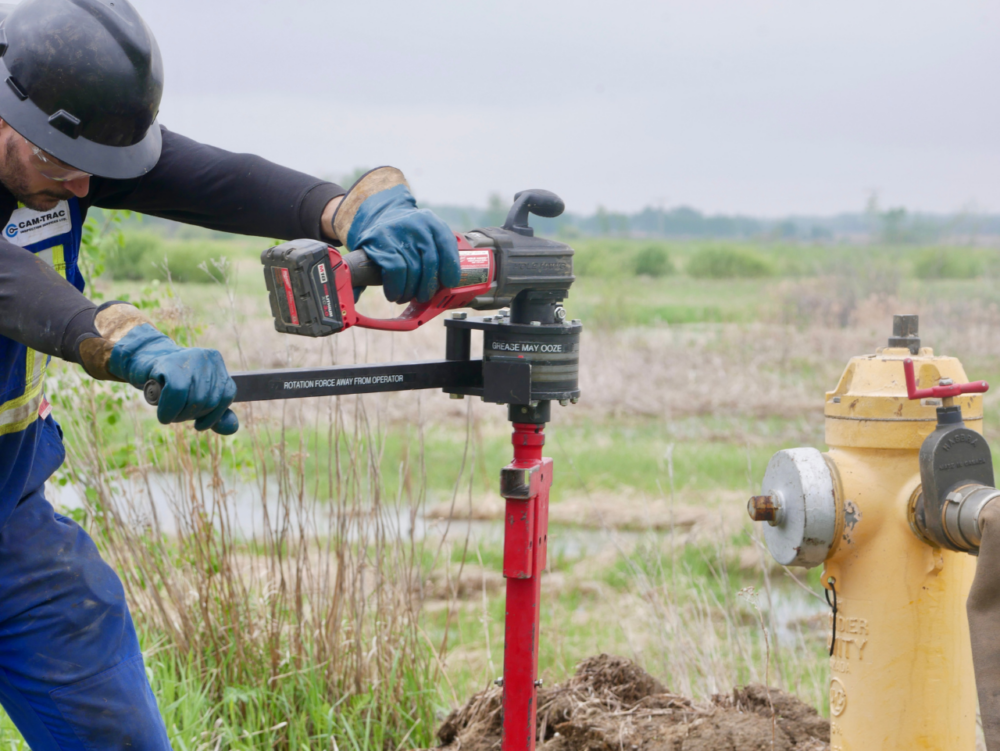
Services expand to include water infrastructure maintenance and repairs.